


Should Your Church Offer Communion Every Sunday?

How often a congregation gathers around the Lord’s Table shapes the rhythm of its worship. Some churches share the bread and cup every week, while others set aside one Sunday a month or a few services each year. Both approaches come from sincere conviction, so the question deserves careful thought.
Below, we look at what Scripture and early church history say about frequency, why many traditions began celebrating less often, the benefits of a weekly practice and the practical questions to work through before making a change.
What Scripture and the Early Church Show
The New Testament does not set a fixed schedule for the Lord’s Supper, but it offers strong hints. Acts 2:42 describes the first believers devoting themselves to teaching, fellowship, the breaking of bread and prayer. Acts 20:7 records the disciples in Troas gathering on the first day of the week to break bread.
Early church writings support this pattern. Around AD 150, Justin Martyr described Christians meeting on Sunday to read Scripture, pray and share the bread and cup. For several centuries, celebrating the Lord’s Supper every Sunday was simply the normal shape of Christian worship.
At the same time, Paul writes in 1 Corinthians 11 that “as often as” believers eat the bread and drink the cup, they proclaim the Lord’s death until He comes. That phrase leaves room for different practices, which is why churches can read the same passages and reach different conclusions.
Why Some Traditions Celebrate Less Often
Over time, participation declined. In the medieval period many believers received the elements only once a year, often out of a deep sense of unworthiness, while the clergy continued to celebrate on their behalf.
The Reformers responded in different ways. John Calvin argued for weekly celebration, yet the Geneva city council limited it to four times a year. Ulrich Zwingli also favored quarterly observance, and these decisions shaped many Reformed, Presbyterian and Baptist churches that still celebrate monthly or quarterly.
Leaders who prefer less frequent communion often have thoughtful reasons. Some worry that a weekly practice could become routine and lose its weight. Others value extended time for the self-examination Paul encourages, or find that a monthly rhythm suits the length and shape of their services.
The Benefits of Weekly Communion
Churches that practice weekly communion often say it keeps the gospel at the center of every service. Whatever the sermon topic, the bread and cup point back to the cross and the resurrection. Catholic, Orthodox, Anglican and Lutheran congregations, along with Churches of Christ and a growing number of evangelical churches, value this weekly reminder.
Regular participation also brings spiritual nourishment. Many believers see the table as a place to confess, receive grace and begin the week with renewed focus. For someone carrying guilt or grief, knowing the table will be there every Sunday can be a real comfort.
Weekly practice strengthens unity too. Paul reminds the church in 1 Corinthians 10:17 that because there is one bread, the many are one body. In congregations made up of different ages and backgrounds, few moments build connection quite like this one.
Practical Questions to Consider Before Making a Change
If your leaders are considering offering communion each week, start with teaching. Explain the biblical and historical background from the pulpit or in small groups so members understand the reasons for the change. A practice people understand is far less likely to feel empty.
Next, look at the flow of your service. Weekly communion need not add much time when distribution is well planned. Some churches invite people forward to serving stations, while others pass the elements along the rows. Preparing everything before the service and training a small team of volunteers keeps the moment unhurried.
Finally, plan ways to keep the practice fresh. Vary the prayers and Scripture readings before the bread and cup, allow moments of quiet reflection and connect the table to the sermon when it fits. Some churches begin with a trial season, such as the weeks leading up to Easter, before committing to a permanent change.
In Conclusion
There is strong biblical and historical support for weekly communion, yet churches that celebrate less often also act from sincere conviction. The right rhythm for your congregation depends on your tradition, your teaching and how well you prepare people to take part. Whatever you decide, the goal is for the Lord’s Table to remain a meaningful encounter with Christ.
If your church is moving toward celebrating communion more often, The Miracle Meal can help make preparation simple. Our pre-filled communion cups are ready to serve for gatherings of any size, giving your volunteers more time to focus on people. Visit our website to order your communion cups today.



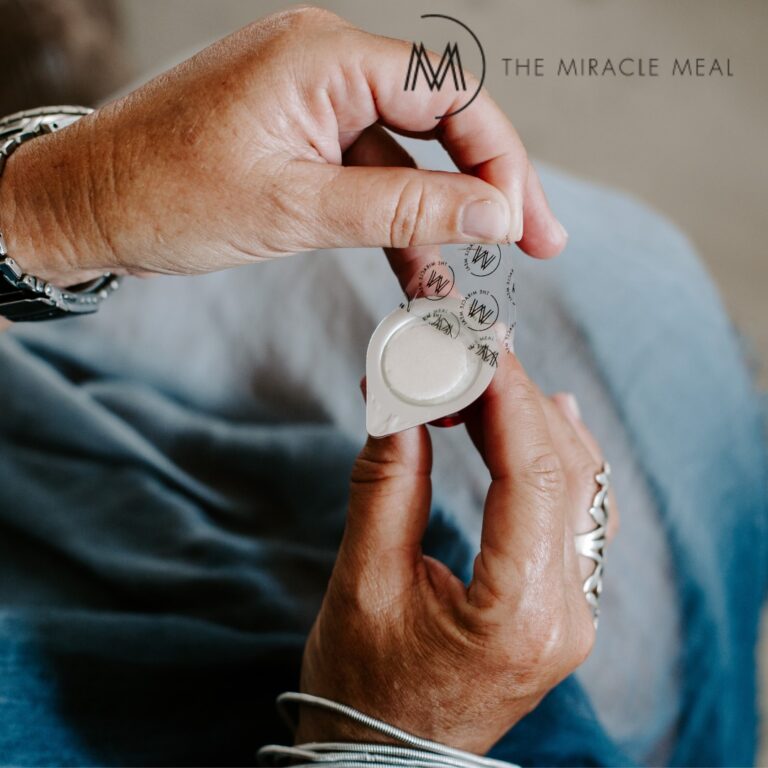
 The Miracle Meal Communion Plus+ Cups with 100% Concord Grape Juice & Wafer - Box of 100