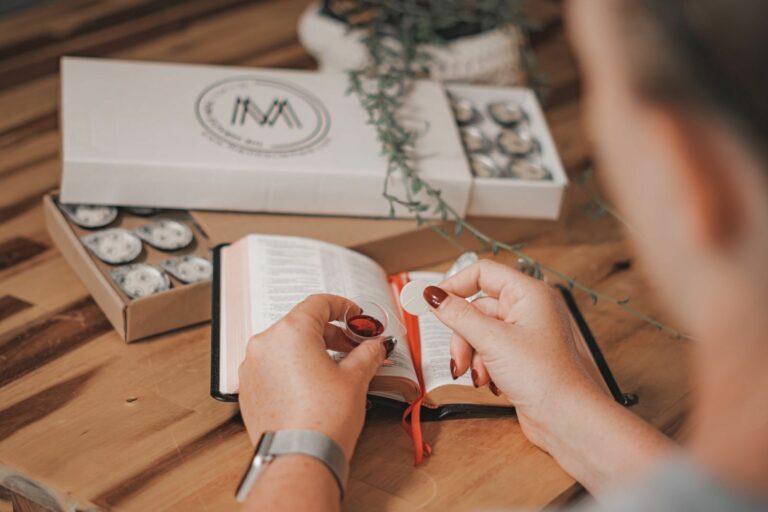

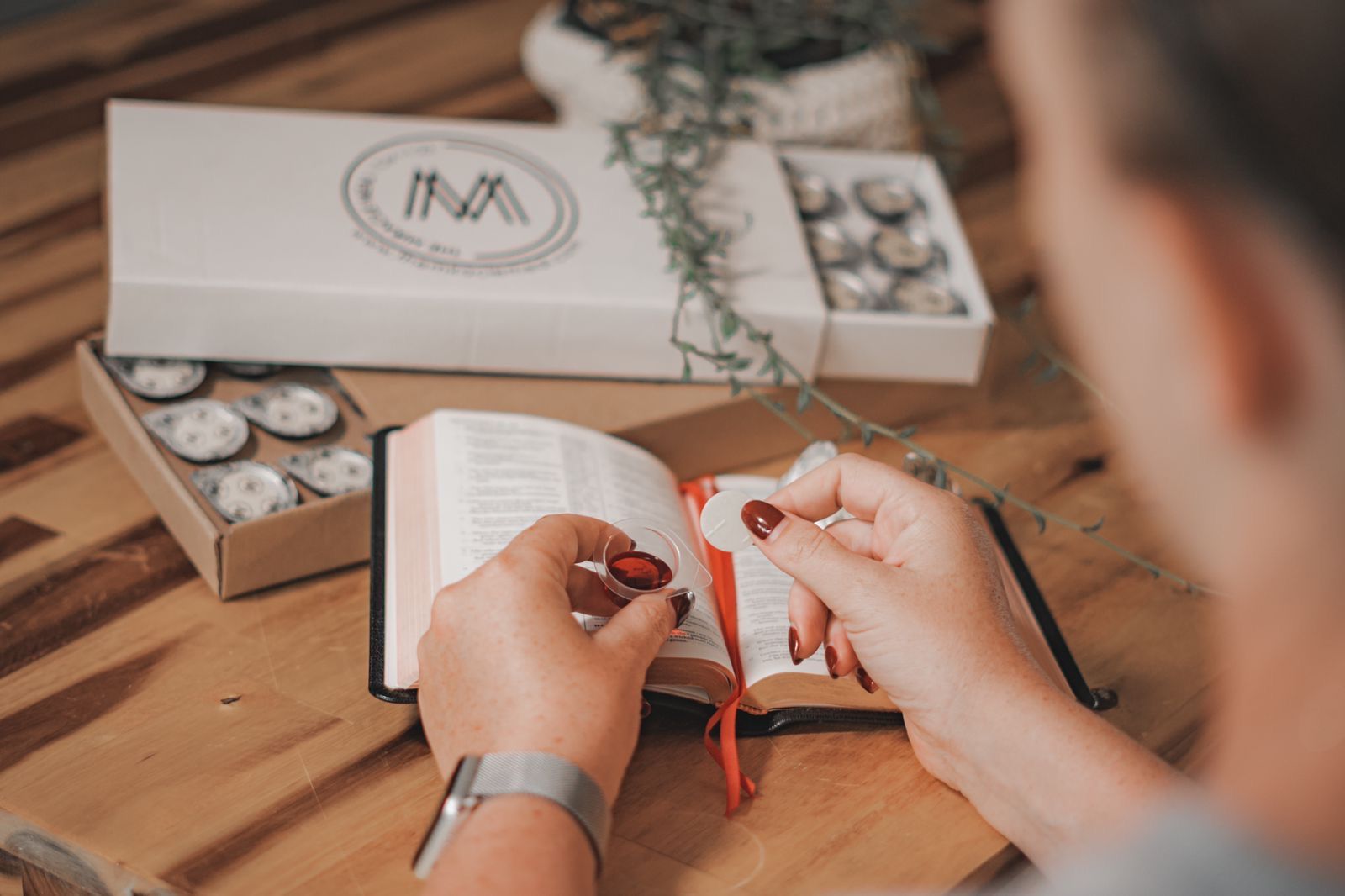
Are Communion Cups Allowed Through Airport Security?
Mission trips, conferences, chaplaincy work and family visits often take believers far from home. When communion is part of the plan, one practical question comes up at the packing stage: what happens when those small sealed cups reach the security checkpoint?
This article covers how screening staff generally treat pre-filled cups, how to pack them in your hand luggage, when checked luggage makes more sense and what to expect when you land. A little preparation keeps the elements safe and the trip focused on worship.
How Security Screening Views Pre-Filled Cups
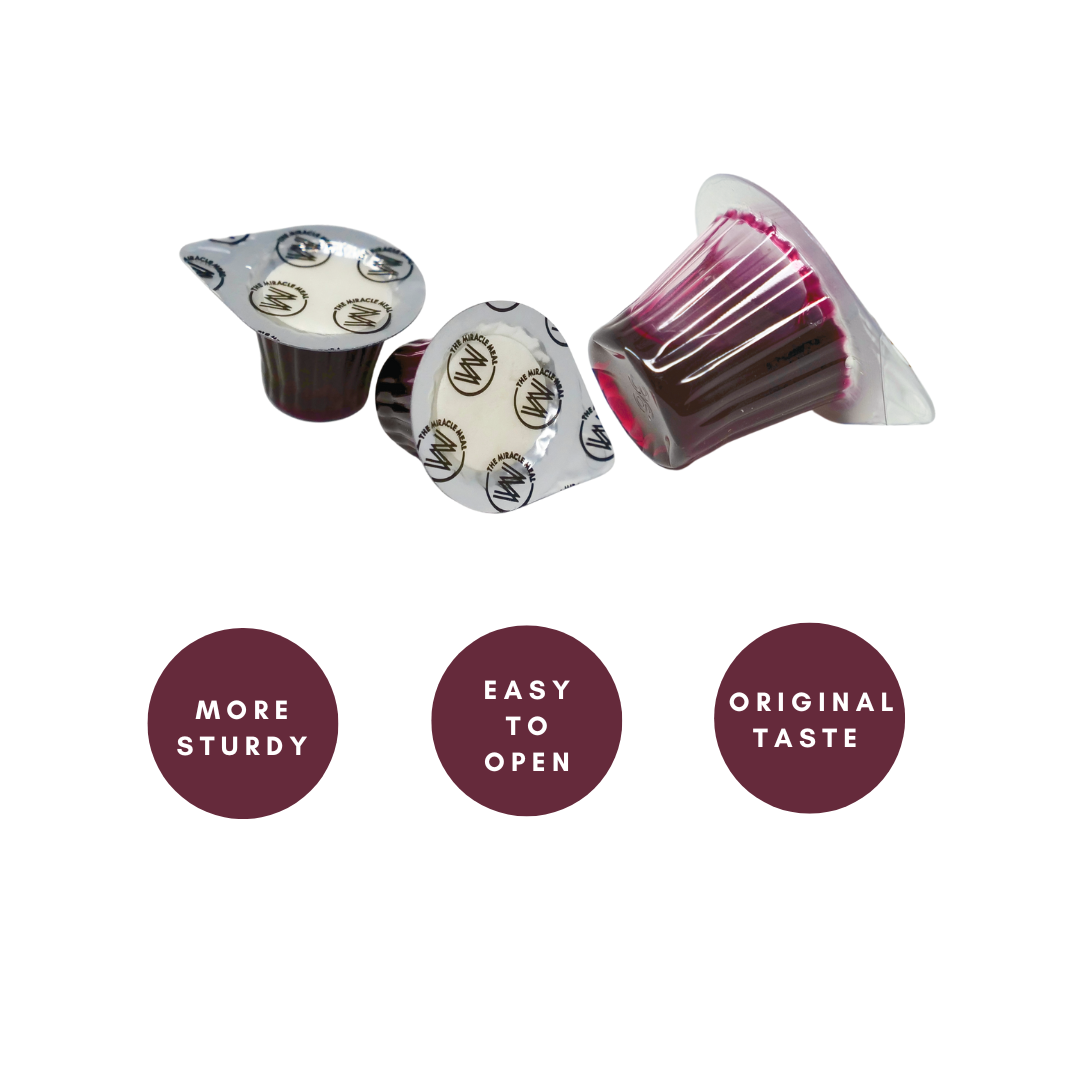
Most pre-filled communion cups have two parts: a sealed layer of juice and a separate wafer on top. The wafer counts as a dry food item and rarely raises concern. The juice is different, because it counts as a liquid under standard screening rules.
At most airports, liquids in hand luggage must be in containers of 100 ml (3.4 oz) or less, and all of them must fit into one clear resealable bag of about one litre. Each cup holds only a small serving of juice, so it sits well under the container limit. The real challenge is how many cups will fit into that single bag.
Some airports now use newer scanners that allow larger containers or let liquids stay in your bag, but this is far from universal. The officer on duty always has the final say, so check each airport’s current guidance a few days before you fly.
Packing Communion Cups in Your Hand Luggage
Carrying pre-filled communion cups on a plane in your hand luggage works well for small numbers. If you are serving a relative in hospital or leading a short service for a few team members, one clear bag of cups is usually enough. Keep them in their original sealed packaging so it is obvious what they are.
Pack the bag where you can reach it easily at the checkpoint. Sealed cups can look unfamiliar on a scanner screen, so do not be surprised if an officer wants a closer look. A calm explanation that they are sealed communion elements for a church service is normally all that is needed.
Remember that your liquid allowance is shared with your toiletries. If your bag is already full of toothpaste, sunscreen and contact lens solution, there will be little room left for cups. Move those personal items to checked luggage or buy them at your destination so the space goes where it matters most.
When Checked Luggage Is the Better Choice
For larger groups, checked luggage is often the more practical route. Small sealed liquid containers are generally permitted in the hold without the tight quantity limits that apply at the checkpoint. This makes flying with communion supplies for a retreat, conference or outreach far more manageable.
Good packing protects both the cups and your other belongings. Pressure changes and rough handling can stress the seals, so place the cups in a sturdy plastic container or sealed bag first. Surround them with soft clothing to cushion any bumps.
It is also wise to split your supply. Keep a few cups in your hand luggage so a delayed suitcase does not leave you without elements for your first service. Label the container in the hold clearly so it is easy to identify if your bag is opened for inspection.
Customs and Arrival Considerations
Bringing communion cups through the security checkpoint is only half the journey. When you arrive in another country, customs officers may ask about food items in your luggage. Sealed communion cups are low risk, but they still fall into this broad category.
Commercially sealed products with clear ingredient labels cause far fewer problems than homemade bread or juice in unmarked bottles. Keep the outer packaging or a printed ingredient list with the cups so you can answer questions quickly. If you are unsure whether to declare them, declaring is almost always the safer choice.
Read the customs guidance for your destination before you leave, especially if your route passes through several countries. Rules on grape and grain products can vary, as can limits on quantities for personal use.
In Conclusion
Pre-filled communion cups can travel with you, but how you pack them matters. Each cup meets standard liquid limits, yet the single clear bag rule restricts how many fit in your hand luggage. Checked luggage suits larger quantities, and a quick look at airport and customs guidance before you leave helps everything run smoothly.
Planning a mission trip, conference or ministry visit? The Miracle Meal is here to help. Our pre-filled communion cups are sealed, easy to pack and ready to serve wherever you land. Visit our website to order the communion cups your team needs and share the Lord’s Supper with confidence on your next journey.