

Do Communion Practices Vary by Country and Culture?

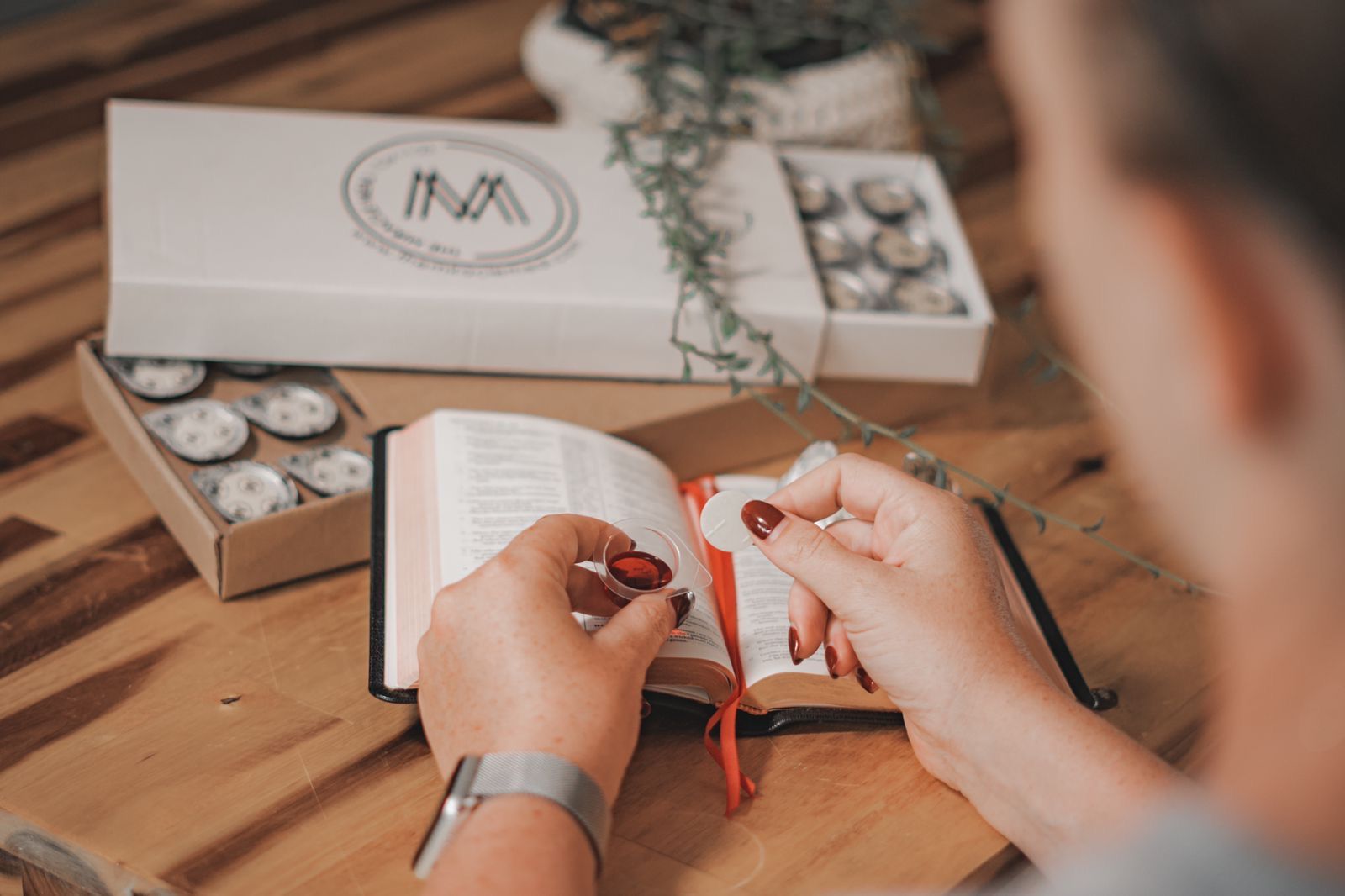
Every week, believers on every continent gather to remember the death and resurrection of Jesus through bread and the cup. The command behind this meal is the same everywhere, yet the way it looks on a Sunday morning can differ a great deal from one congregation to the next.
In this article, we look at how church tradition shapes the Lord’s Supper, how the bread and cup change from place to place, the different ways churches serve and receive communion and how local culture adds its own meaning to the meal.
Tradition Shapes Communion More Than Geography
When people notice differences in communion traditions around the world, the main cause is usually denomination rather than nationality. A Catholic Mass in one region will look much like a Catholic Mass on the other side of the globe, while two churches on the same street may celebrate in very different ways.
The Great Schism of 1054 and the Reformation of the 1500s created the main church families we see today. Catholic and Orthodox churches understand the meal as a sacrament in which Christ is truly present. Lutherans also hold to a real presence and Reformed churches speak of a spiritual presence, while many Baptist and evangelical churches treat the meal as a memorial of Christ’s sacrifice.
These beliefs influence everything from who may lead the service to how often it happens. Catholic, Orthodox and Anglican churches typically celebrate weekly or even daily, while many Protestant congregations hold communion monthly or quarterly. Missionaries carried these patterns with them, which is why a church’s practice often reflects where its founders came from.
The Bread and the Cup Look Different From Place to Place
Catholic churches in the Western tradition use thin unleavened wafers, pointing back to the Passover bread Jesus shared at the Last Supper. Eastern Orthodox churches use leavened bread, often baked by members of the parish and stamped with a seal before the service. Protestant churches use anything from small crackers to a single loaf broken in front of the congregation.
The cup varies just as much. Catholic, Orthodox and Anglican churches generally use wine, often mixed with a little water. During the temperance movement of the 1800s, many Protestant churches switched to grape juice and that choice has since spread widely. Where alcohol carries a social stigma or where many members are in recovery, juice is often the natural default.
Some places face practical challenges as well. Where wheat or grapes are scarce or expensive, churches have long debated whether local staples could be used instead. Most traditions still call for wheat bread and the fruit of the vine, so congregations in these areas often rely on imported elements that need to be stored and planned for well in advance.
Different Ways to Serve and Receive Communion
How the Lord’s Supper differs between cultures is perhaps most visible in the way people receive it. In Orthodox churches, the priest places bread soaked in wine on a small spoon and gives it to each person. In many Catholic and Anglican churches, worshippers walk forward and kneel at a rail or stand to receive the bread in their hands or on the tongue.
Many Protestant churches bring the elements to the people instead. Ushers pass trays of bread and small cups along the pews, and the congregation may eat and drink together as a sign of unity. Other churches use intinction, where each person dips a piece of bread into a shared cup before eating it.
Individual cups became popular in the late 1800s as concerns about hygiene and disease grew, and they spread even further after more recent health crises. The shared chalice remains important in many liturgical churches, where it pictures the one body of Christ. Both approaches aim to express the same unity in a way that suits the community.
Local Culture Adds Its Own Character
Beyond doctrine, local customs give global communion customs their warmth and personality. In many Catholic communities, a child’s First Communion is a major family celebration with formal clothing, gifts and a festive meal afterward. Orthodox churches, by contrast, give communion to infants right after baptism, so there is no separate milestone of that kind.
Preparation also looks different. Orthodox Christians usually fast before receiving, and Ethiopian and Coptic believers follow especially strict fasting traditions throughout the year. Some congregations surround communion with lively singing, drumming and extended prayer, while others prefer quiet reflection and reverent silence.
Language and setting matter too. Services are held in hundreds of local languages, and the meal is shared everywhere from cathedrals to homes, hospitals and outdoor gatherings. Persecuted believers in some regions celebrate quietly in small groups, which is a powerful reminder that the heart of communion has never depended on a building.
In Summary
Communion looks different around the world because of denominational beliefs, historical movements, available resources and local customs. From leavened bread on a spoon to small cups passed along the pew, each practice is a sincere attempt to keep the command Jesus gave his followers to remember him.
Whatever your tradition or setting, The Miracle Meal is here to help you prepare for this sacred moment. Our pre-filled communion cups are made for congregations and events of every size, so you can focus on worship rather than preparation. Visit our website today to order communion cups for your next service or gathering.
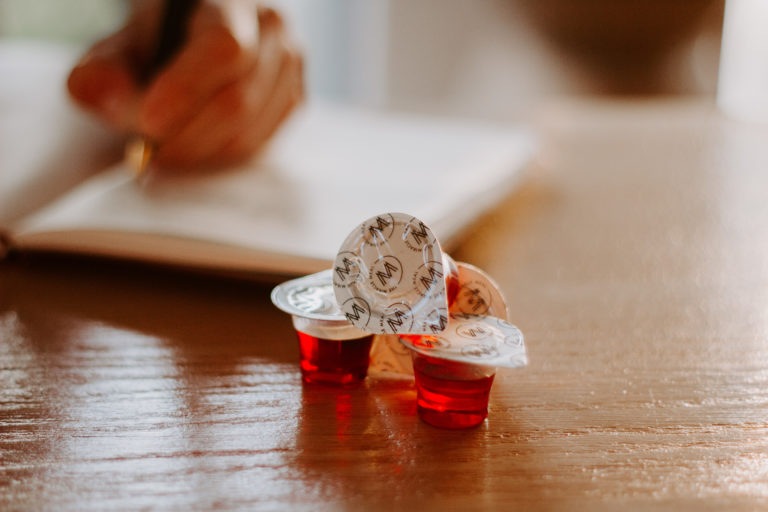

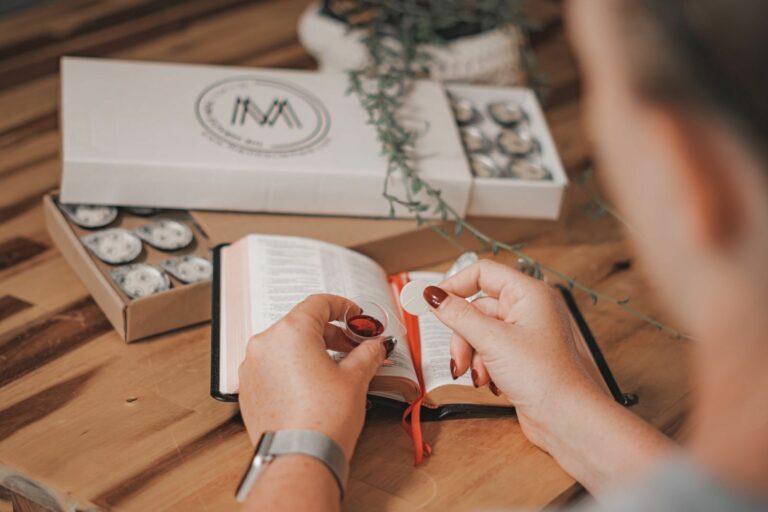

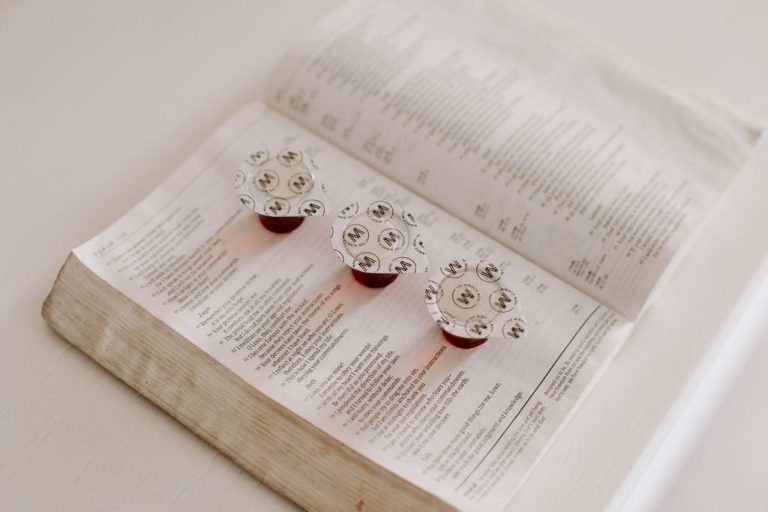
 The Miracle Meal Communion Plus+ Cups with 100% Concord Grape Juice & Wafer - Box of 100